
Personalized consultation
No two faces need the same filler plan. Your treatment areas, filler choice and technique are based on your own anatomy and goals after a proper assessment — never a fixed package.
Doctor-Led, Personalized Dermal Filler Treatments
Restore volume, refine contour and soften early signs of ageing with doctor-planned dermal filler treatment at Dexa Clinic. From lips and cheeks to jawline, chin and under-eyes, every dermal filler treatment begins with a personal consultation to match the right filler, the right amount and the right technique to your face — not a fixed package.
Natural, doctor-planned dermal filler results at Dexa Clinic
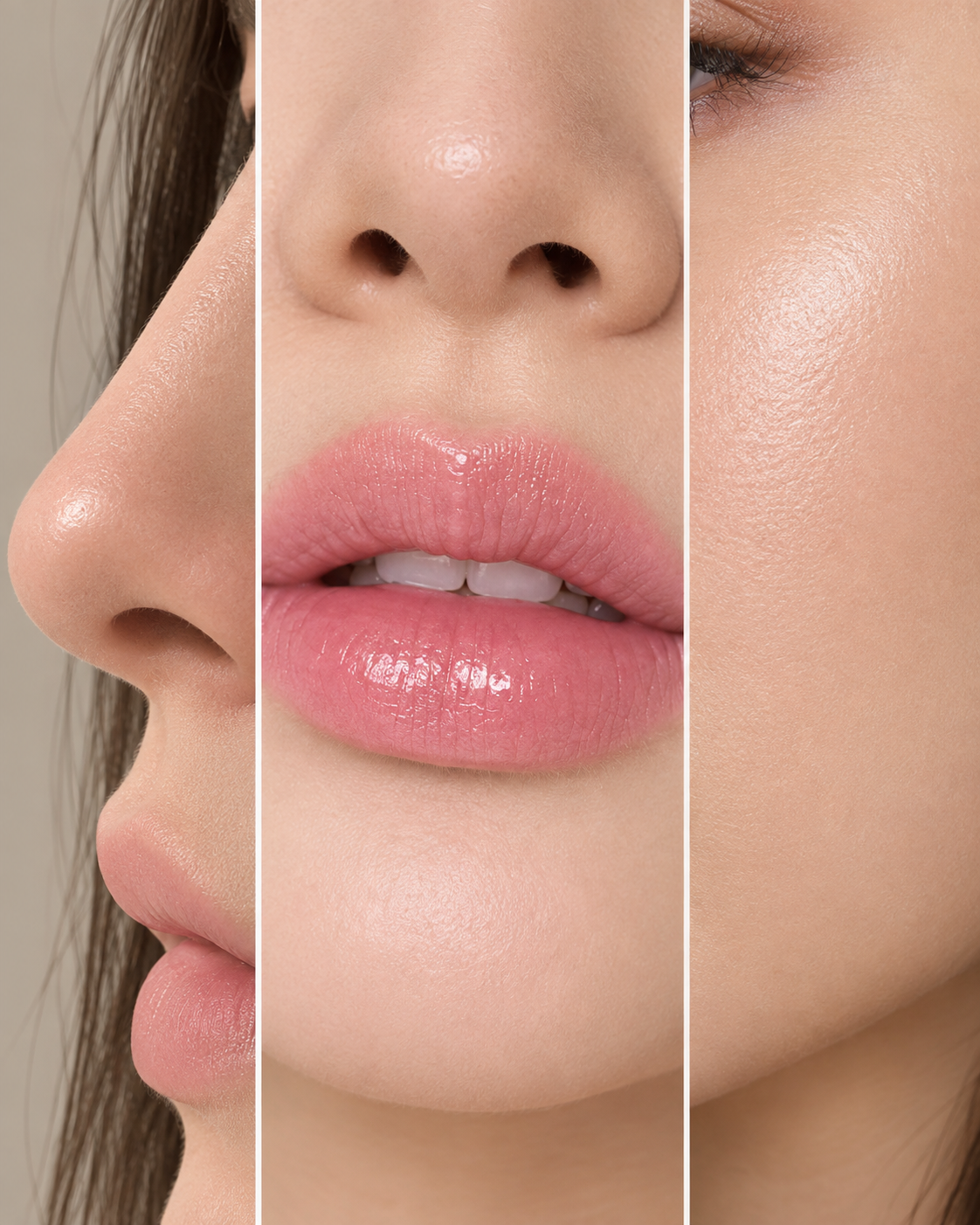
Dermal fillers are injectable treatments used in aesthetic medicine to restore lost volume, refine facial contour, and soften the appearance of selected lines and folds. Most dermal fillers used today are based on hyaluronic acid, a substance that occurs naturally in the skin, though other filler categories exist for specific applications. Common treatment areas include the lips, cheeks, chin, jawline, under-eyes, nose and smile lines — but not every area or every concern is suited to filler, and not every patient is a suitable candidate for every treatment area.
The type of filler, the amount used, and the technique applied all depend on the area being treated, your facial anatomy and your individual goals. This is why dermal filler treatment planning at Dexa Clinic always begins with a proper consultation and facial assessment rather than a fixed package — because the right approach for one patient's lips may not be right for another's, and areas like the under-eyes and nose require a more cautious, experience-led approach than others. If you're exploring dermal fillers in Ahmedabad for the first time, this page walks through what they can and can't do, which areas they're commonly used for, what the process looks like, and what to discuss with your doctor before deciding.
Honest, assessment-based filler planning — never a one-size-fits-all package.
No two faces need the same filler plan. Your treatment areas, filler choice and technique are based on your own anatomy and goals after a proper assessment — never a fixed package.
We match the filler and technique to your facial structure and concern, rather than recommending the same volume or area to every patient.
Every treatment is carried out in a clean, professional clinical setting designed around patient comfort and safety.
Higher-risk areas such as the nose and under-eyes are approached with particular caution, and we'll tell you honestly if an area isn't a good fit for filler in your case.
Dermal fillers are gel-like injectable substances placed beneath the skin's surface to add volume, support facial structures that have lost fullness, or soften the appearance of certain lines and folds. The most widely used dermal fillers are made from hyaluronic acid (HA) — a substance your skin already produces naturally to retain moisture and support plumpness — though other filler categories, including calcium hydroxylapatite and poly-L-lactic acid based products, are used for specific applications in aesthetic medicine.
How dermal fillers work depends heavily on where they're placed and how much is used. In areas like the cheeks or chin, filler is typically used to rebuild structural support and definition. In the lips, it's used to add shape or volume to the tissue itself. Around fine lines and folds, a smaller amount may be used more superficially to soften their appearance. The gel integrates into the surrounding tissue and gradually breaks down over time — which is why results are temporary rather than permanent, and why the amount, depth and technique used in one area are rarely the same as another.
Because filler behaves differently depending on anatomy — the skin around the eyes is far thinner and more delicate than the skin over the cheekbone, for instance — the type and quantity of filler used is a clinical decision made during consultation, not a fixed formula.
Explore the areas dermal fillers are commonly used to treat. Your consultation will confirm which areas, if any, are right for your goals.
Add shape, balance or subtle volume to the lips, tailored to your natural lip line.
Learn More →Camouflage selected contour irregularities non-surgically, in appropriately assessed cases.
Learn More →Address visible hollowing in suitable candidates, following careful assessment.
Learn More →Lip fillers are one of the most commonly requested dermal fillers lips treatments, used to add volume, refine lip shape, or improve symmetry and balance between the upper and lower lip. Because lip shapes vary significantly from person to person, treatment is planned around your natural lip line and proportions rather than a single "ideal" template — the goal is a result that looks like an enhanced version of your own lips, not a different set entirely.
The lip area has a dense network of small blood vessels, which is one of the reasons lip filler technique and injection depth matter. Your practitioner will assess your lip shape, symmetry and any previous filler history before recommending an amount and approach. Results are immediate but temporary, and how long they last varies between individuals. If you're comparing lip fillers before and after photos online, keep in mind that outcomes depend on your own lip anatomy and the amount of filler used.
Book Free ConsultationDermal fillers nose treatment — sometimes called liquid rhinoplasty — uses injectable filler to camouflage or soften selected contour irregularities along the bridge or profile of the nose, without surgery. It is important to understand what this treatment can and cannot do: it can, in appropriately assessed cases, smooth the appearance of a small bump or improve symmetry along the bridge. It cannot reduce the size of the nose, reshape the nasal tip structurally, improve breathing/functional concerns, or replace what a surgical rhinoplasty is designed to achieve.
The nose is recognized in clinical literature as one of the higher-risk areas for dermal filler injection, due to the blood vessels running through this region. Because of this, nose fillers are only appropriate for carefully selected patients following a thorough assessment. See the full comparison in the Rhinoplasty vs Liquid Rhinoplasty section below.
Book Free ConsultationDermal fillers under eyes — sometimes searched as under eye filler or dark circles dermal filler — are used to address visible hollowing or volume loss beneath the eyes in suitable candidates. It's important to know that not every type of dark circle responds to filler: dark circles caused by pigmentation, thin skin, or vascular visibility are different concerns from hollowing caused by volume loss, and only the latter is typically addressed with filler.
This is one of the more delicate treatment areas on the face. The skin here is thin, and the area sits close to blood vessels connected to structures around the eye, which is why under-eye filler requires a particularly careful, experience-led approach and conservative technique. There is no single best dermal filler for under eyes that suits everyone — the right product and amount depend on your specific anatomy, skin thickness and the cause of hollowing.
Book Free ConsultationCheek fillers (also referred to as cheek dermal fillers) are used to restore volume in the mid-face, support facial contour, and improve overall facial proportion — a common concern as age-related volume loss becomes more visible in the cheek area. Cheek filler placement is typically deeper and more structural than lip filler, aiming to rebuild support rather than simply add surface volume.
Because the cheeks form the foundation for much of the mid-face, treatment here can also have a subtle knock-on effect on the appearance of nasolabial folds and jawline definition — which is why your practitioner may discuss cheek volume as part of a broader facial assessment rather than in isolation.
Book Free ConsultationChin filler (or chin fillers) is used to improve chin projection and support better facial balance and profile proportion, particularly for patients with a recessed or under-projected chin. Chin filler is often considered alongside jawline filler, since the two areas work together visually to define the lower third of the face.
Book Free ConsultationDermal fillers jawline treatment is used to add definition and structure along the jaw, creating a more contoured profile. This is a popular request from patients looking for a sharper jawline appearance without surgery. As with chin filler, results depend on your existing bone structure, skin quality and the amount of filler used — your practitioner will assess whether jawline filler alone will achieve your goal, or whether it should be combined with another area (such as chin filler) for a balanced result.
Book Free ConsultationSmile line fillers — also searched as dermal fillers smile lines or more broadly dermal fillers for wrinkles — are used to soften the appearance of nasolabial folds (the lines running from the nose to the corners of the mouth) and similar volume-loss lines. It's worth understanding that not every wrinkle is a good candidate for filler: fine, superficial lines caused by skin quality or sun damage are generally addressed differently than deeper folds caused by volume loss, which is what filler is primarily suited for.
Book Free ConsultationFiller selection is a clinical decision, not a one-size-fits-all choice. The most commonly used dermal fillers in aesthetic medicine are hyaluronic acid (HA) based, valued for their versatility and the fact that they can, in many cases, be dissolved if needed. Other filler categories — such as calcium hydroxylapatite or poly-L-lactic acid based products — are used for different structural or longevity goals in specific applications.
The right filler type and amount for you depends on several factors your practitioner will assess during consultation:
Dermal fillers injection techniques vary depending on the treatment area, the anatomy involved, the product being used, and the correction being aimed for. Broadly, filler may be placed using a fine needle or a blunt-tipped cannula, at different depths beneath the skin depending on whether the goal is structural support (deeper placement, such as in the cheeks or chin) or softer volume and contouring (more superficial placement, such as fine lines).
Technique selection — needle vs. cannula, injection depth, and the specific approach used in higher-risk areas like the nose or under-eyes — is a clinical judgment made by your practitioner based on your anatomy and the area being treated. This is general educational information only; dermal filler treatment should only ever be performed by a qualified, trained professional in a clinical setting, and should never be attempted at home.
Individual results may vary depending on anatomy, treatment area, filler type and individual response — your own outcome will be discussed during consultation.
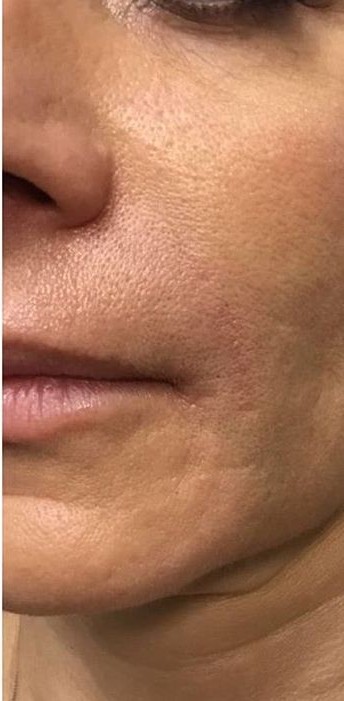 Before
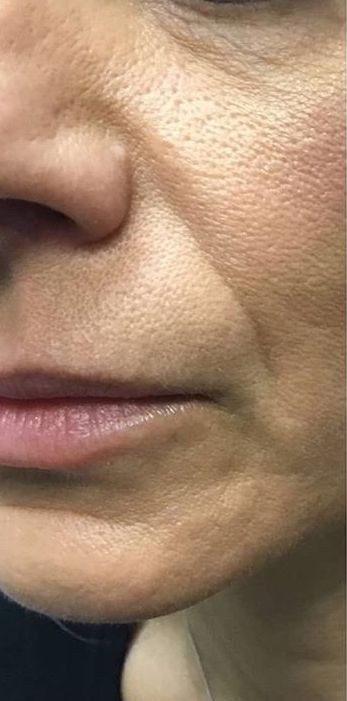 After
After
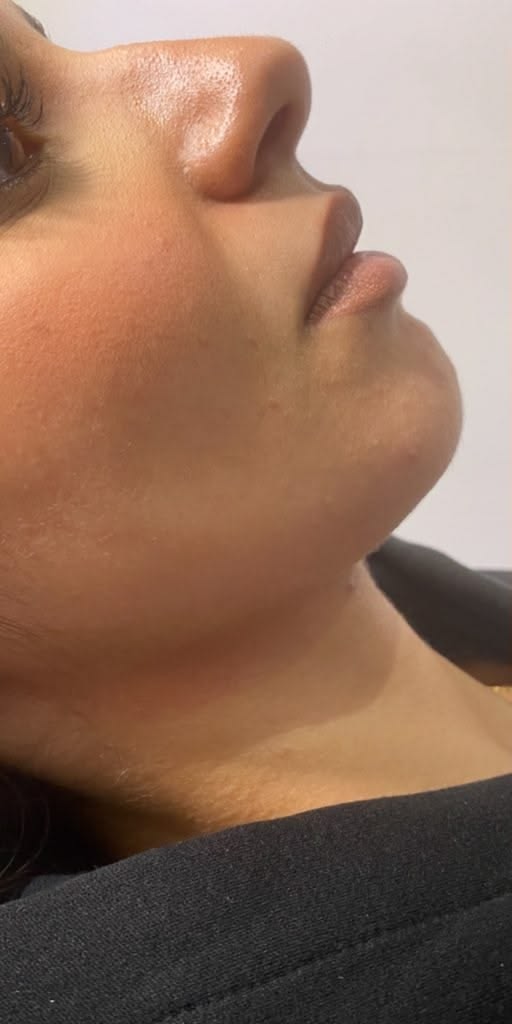 Before
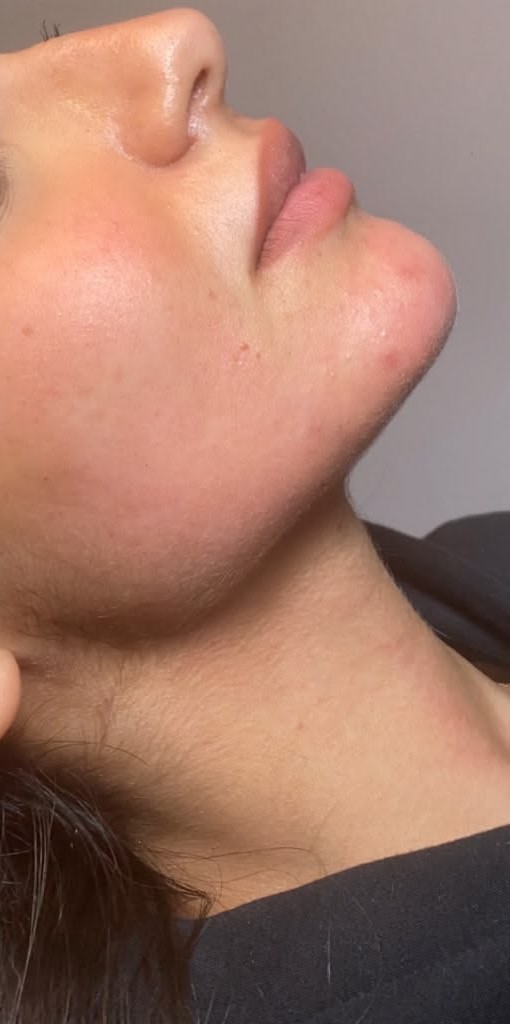 After
After
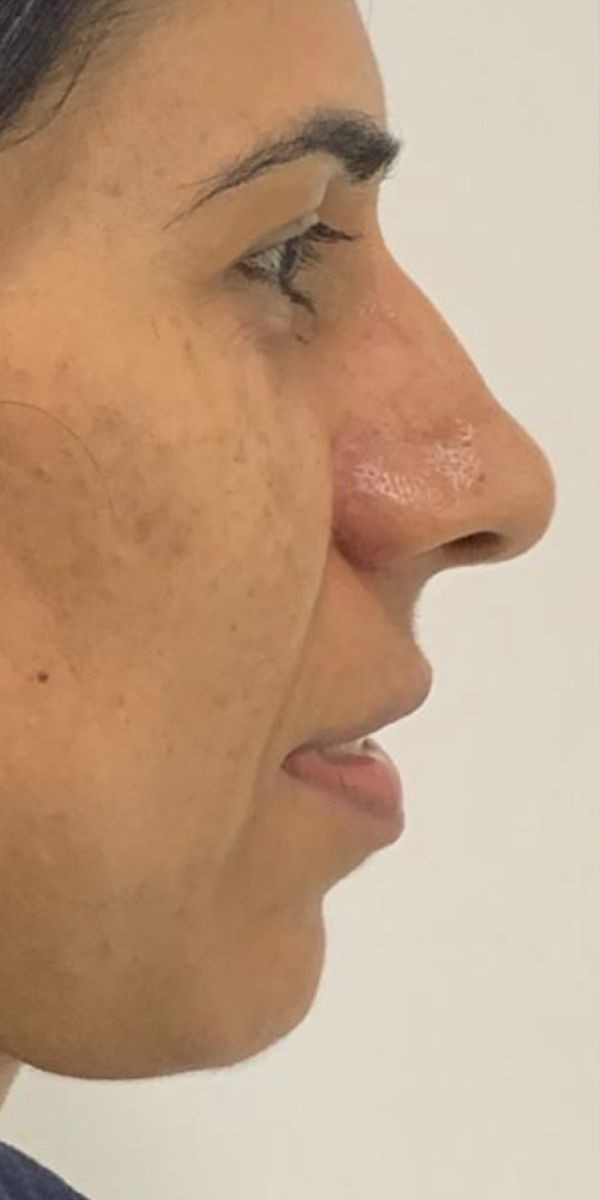 Before
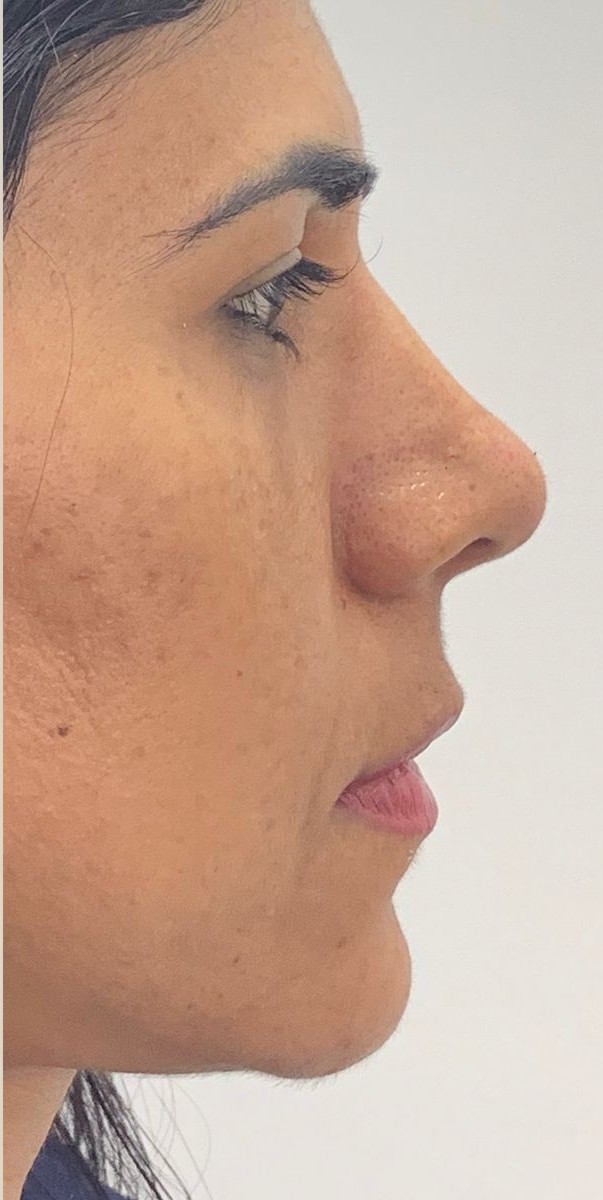 After
After
From consultation to aftercare — every step is planned around your safety and your goals.
A detailed discussion of your aesthetic goals, concerns and relevant medical history.
A visual and hands-on assessment of the treatment area(s), your facial structure and skin quality.
Your practitioner recommends the filler type, amount and technique appropriate for your goals.
The treatment is carried out under doctor supervision with numbing as needed.
Aftercare guidance specific to your treatment area, plus follow-up to review results.
Targeted volume and contour correction — always matched to your anatomy and goals.
Restoring volume in areas affected by age-related or natural volume loss.
Adding shape, symmetry or subtle volume to the lips.
Supporting facial proportion and structure in the mid-face.
Improving profile balance for a recessed chin.
Adding contour and structure along the jaw.
Softening nasolabial folds in suitable cases.
Addressing visible volume-loss hollowing in suitable candidates.
Camouflaging select bridge irregularities in selected cases.
Dermal fillers are medical aesthetic injectable treatments, and like any injectable procedure, they carry both benefits and risks. Whether dermal fillers safe treatment is right for you depends on appropriate product selection, a thorough patient assessment, and professional injection technique.
Commonly reported, generally temporary effects can include swelling, redness, tenderness, bruising, itching or firmness at the injection site. These typically resolve within a few days to a couple of weeks.
Less common effects can include lumps or nodules under the skin, delayed-onset inflammation, or allergic reaction.
Serious complications are uncommon but can occur. The most significant risk is unintentional injection into or near a blood vessel, which can lead to tissue damage, and in rare cases, vision changes. This risk is higher in certain areas of the face — see our FAQ on the riskiest places for fillers.
Discuss your full medical history, medications, allergies and expectations with your practitioner before any treatment is planned. If you notice unusual pain, skin discoloration, or concerning symptoms after treatment, contact your treating clinic promptly.
Whether dermal filler treatment is appropriate for you depends on several individual factors, including:
This page can't tell you whether dermal fillers are right for your face — only a proper in-person assessment can do that. Some patients will be advised that a particular area is not a good fit for filler in their specific case.
Dermal filler results are generally visible soon after treatment, though initial swelling can temporarily affect how the result looks in the first few days. How long results last varies significantly — by the treatment area, the specific filler used, and your individual metabolism and lifestyle.
Results are not permanent, and most patients require maintenance treatment over time to sustain their result. Your practitioner will discuss a realistic expectation for your specific treatment plan during consultation.
Dermal fillers cost depends on several factors that vary from patient to patient:
Because these factors differ for every patient, Dexa Clinic does not publish a fixed price list online, including lip fillers cost. We share clear, honest pricing during your free consultation once your treatment plan has been discussed.
Book Free ConsultationDifferent treatments for different concerns — neither is universally better.
Add volume beneath the skin — restoring lost fullness, supporting facial contour, or filling static volume-loss lines. Results are typically visible immediately after treatment.
Temporarily reduces the activity of specific facial muscles, softening dynamic wrinkles from repeated expressions. Results generally take a few days to become visible.
Some patients are candidates for one, the other, or a combination of both. Dexa Clinic offers Botox / anti-wrinkle injections as part of our Face Lifting treatment range.
A surgical procedure involving structural changes to the bone and/or cartilage of the nose. It can address size, structural asymmetry and, in some cases, functional/breathing concerns. Recovery is longer than injectable options.
A non-surgical injectable treatment for selected contouring concerns — such as smoothing a small bump along the bridge. It does not reduce nose size, cannot correct significant structural asymmetry, and does not address breathing concerns. Results are temporary.
Liquid rhinoplasty cannot replace every form of surgical rhinoplasty — which option, if either, is appropriate depends entirely on your specific concern and a proper clinical assessment.
Real reviews live on our Google Business Profiles. Connect your profile to display verified reviews here.
★★★★★ Rated 4.6 on GoogleI had Korean treatment, dark-circle treatment, and fillers done here. The treatments were very good, and the doctor and staff were also very friendly and supportive. Overall, I’m happy with the results. The face-fat treatment also had a good effect.
I had a very good experience with dermal filler treatment at Dexa Slim & Shine Aesthetic Clinic in Ahmedabad. The doctor explained the treatment properly and made me feel comfortable throughout the process. The staff was also very supportive and professional. I’m happy with the overall experience and results.
I visited Dexa Clinic in Ahmedabad for dermal filler treatment and had a great experience. The doctor understood my concerns and explained everything clearly before the treatment. The clinic was clean, and the staff was friendly and helpful. Overall, I’m satisfied with the treatment and would recommend Dexa Clinic.
Searching for dermal fillers Ahmedabad? Our Chandkheda clinic on New CG Road offers dermal filler consultations for clients across Ahmedabad and Gandhinagar, and our Vesu clinic in Surat brings the same doctor-led approach to South Gujarat.
Our Chandkheda clinic offers doctor-led dermal filler consultations for lips, cheeks, chin, jawline, under-eyes and nose contouring across Ahmedabad and Gandhinagar.
Our Vesu clinic on VIP Road brings the same assessment-based dermal filler treatment approach to Surat and the wider South Gujarat region.
Whether you're considering lip filler, cheek volume, jawline definition or exploring whether an area is a good fit for filler at all, our clinical team is ready to talk it through with you — honestly, and without pressure. Book a free consultation at our Ahmedabad or Surat clinic.
Fields marked with * are required.
This varies significantly by treatment area, the specific filler used, and individual factors like metabolism and lifestyle. Generally, filler in areas with more movement (like lips) may need refreshing sooner than less mobile areas. Your practitioner will give you a realistic expectation during consultation.
Neither is universally better — they address different concerns. Fillers add volume and are used for static volume loss (like hollow cheeks or thin lips). Botox reduces muscle activity and is used for dynamic wrinkles caused by expression (like forehead lines). The right option depends on what you're actually trying to address.
Discomfort varies by individual and by treatment area — areas like the lips tend to be more sensitive than areas like the cheeks. Many patients describe the sensation as tolerable, and numbing options may be used depending on the area.
Clinical literature identifies the glabella (between the eyebrows), the nose, the nasolabial folds and the tear trough/under-eye area as higher-risk zones for dermal filler injection, largely because of the blood vessels running through these regions. Treatment in these zones requires particular caution and a thorough assessment beforehand.
Dermal fillers are medical aesthetic injectables, and like any injectable treatment, they carry both benefits and risks. Safety depends on appropriate product selection, thorough patient assessment and professional technique. See our Safety & Considerations section for more detail.
There isn't a single best dermal fillers product that suits everyone — the right choice depends on the treatment area, your desired result, your anatomy, and your practitioner's clinical assessment. This is decided during consultation, not before it.
Pain tolerance is individual, but generally, both treatments involve a brief injection sensation, and numbing options may be used for either. Some patients find filler slightly more uncomfortable in sensitive areas like the lips, while others find the two comparable.
Exact cost depends on the filler type, the area being treated and your specific treatment plan. We don't publish a fixed 1 ml dermal filler cost online — pricing is shared clearly and honestly during your free consultation.
There's no single filler that's automatically best for older skin — the right choice depends on the specific areas of volume loss, skin quality, and your individual goals, which your practitioner will assess in person.